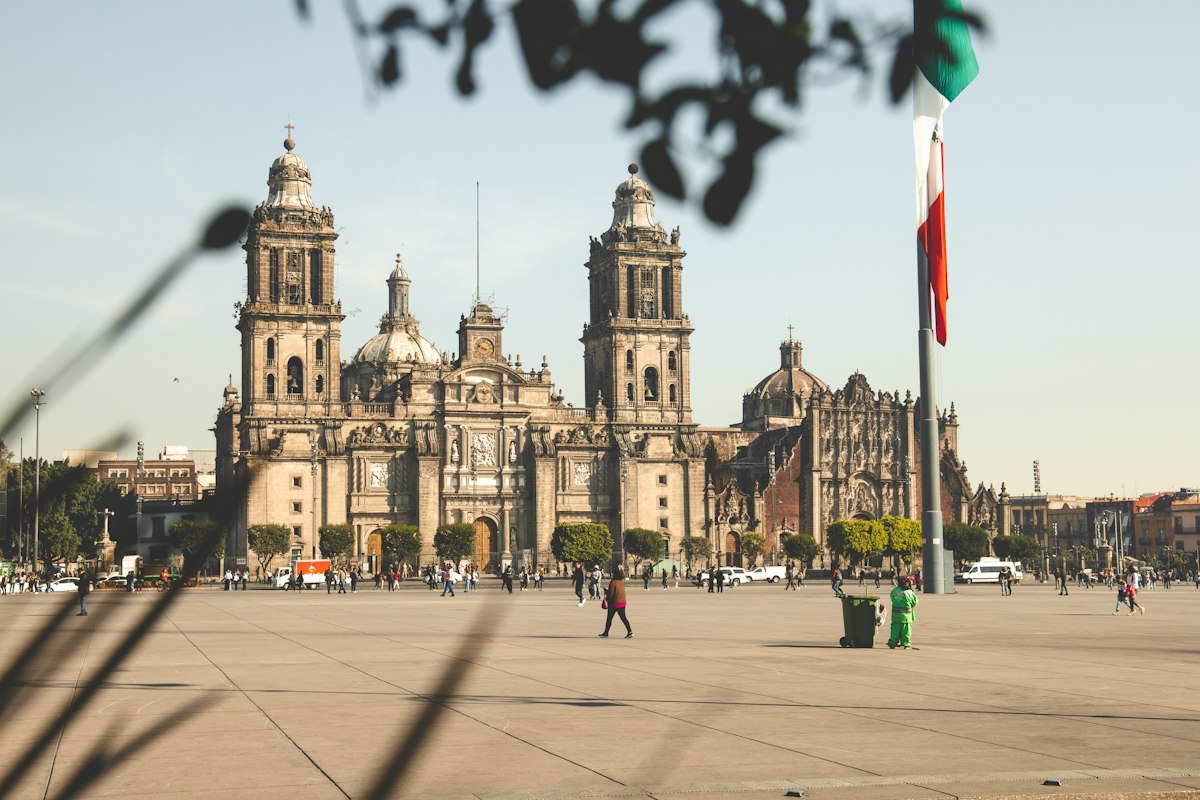
Campeche City is Mexico’s best-kept colonial secret. A UNESCO World Heritage walled city on the Gulf of Mexico, it offers pastel baroque facades, pirate-era fortifications, a breezy seafront malecón, and a level of everyday calm that has quietly made it one of the country’s safest state capitals. For foreigners priced out of San Miguel de Allende or looking for something less discovered than Mérida, Campeche in 2026 is a compelling — and remarkably affordable — place to live.
Why Campeche City Is Gaining Attention
For years, Campeche was overshadowed by its glamorous neighbor Mérida, three hours to the northeast. That is precisely its charm. The historic center is fully restored, walkable, and free of the crowds that now define more famous colonial towns. The fortified walls and bastions that once repelled pirates still ring the old city, and the seafront malecón — several kilometers of walking and cycling paths along the Gulf — gives residents a rare colonial-city-meets-waterfront combination.
Campeche consistently ranks among the safest cities in Mexico, with a small, orderly feel and a strong sense of civic pride. The expat community is still small, which means lower prices and a more genuinely Mexican daily life than in the country’s better-known enclaves — but it is growing steadily as remote workers and retirees discover it.
Real Estate Prices in 2026
Campeche remains one of the great value stories in colonial Mexico. Restored historic homes here cost a fraction of comparable properties in San Miguel de Allende, and often less than Mérida’s centro. Realistic 2026 figures:
- Colonial homes to restore (within the walled center or Barrio de San Román): MXN $1.8M–$4.5M (USD $100,000–$250,000).
- Fully restored colonial homes (courtyard, high ceilings, 3 bed): MXN $5M–$12M+ (USD $275,000–$660,000+).
- Modern homes and condos in newer districts: MXN $2M–$5M (USD $110,000–$275,000).
- Apartments for rent (long-term, 2 bed): MXN $9,000–$18,000/month (USD $500–$1,000).
The restoration play is the classic Campeche opportunity: buy a structurally sound but tired colonial shell, restore it sympathetically, and end up with a home worth well above the combined purchase-and-renovation cost. Renovation runs roughly MXN $12,000–$25,000 per square meter for quality work, and historic-center properties carry preservation rules you must respect.
Cost of Living
Campeche is inexpensive even by Mexican standards. A couple lives comfortably on USD $1,500–$2,500 per month:
- Groceries and household: MXN $8,000–$12,000
- Electricity: MXN $1,500–$4,000 (air conditioning is a must in the hot months)
- Water, gas, internet, phone: MXN $1,200–$2,000
- Dining out: generous — a good sit-down meal for two runs MXN $400–$800
- Property tax (predial): very low, often under MXN $5,000 per year
The city has a solid regional hospital, a growing selection of private clinics, and an airport with connections to Mexico City. For anything not available locally, Mérida is an easy road trip.
The Lifestyle: Colonial Calm on the Gulf
Life in Campeche moves at an unhurried pace. Mornings begin with coffee in a courtyard or a walk along the malecón as the Gulf breeze comes in. The walled center is compact enough to explore entirely on foot, with plazas, museums, galleries, and a lively food scene built around Campeche’s celebrated seafood — this is a coast famous for shrimp, pan de cazón, and fresh Gulf fish.
The surrounding state is rich in Maya sites, including Edzná just outside the city and the vast jungle ruins of Calakmul to the south. Weekend trips lead to Gulf beaches, mangrove reserves, and colonial towns. Culturally, Campeche punches well above its size, with festivals, a historic theater, and a genuine, unpolished authenticity that residents cherish.
Safety and Practical Life
Campeche’s low crime rate is a real draw. Residents describe walking the historic center at night without concern, and the small-city scale means services are close and bureaucracy is manageable. Fiber internet reaches most of the city, supporting remote workers, and the cost of hiring help — cleaners, gardeners, contractors — is low.
The main trade-offs are climate and size. Summers are hot and humid, so most homes rely on air conditioning and courtyard design for cross-ventilation. And as a smaller city, Campeche has fewer international restaurants, imported-goods stores, and English-speaking services than Mérida — part of the appeal for some buyers, a limitation for others.
How Foreigners Buy in Campeche
Here is a key practical advantage: the historic center of Campeche City sits far enough inland from the coastline that most of it falls outside Mexico’s 50 km restricted zone, meaning foreigners can often buy in direct fee-simple title rather than through a bank trust. Properties right along the malecón or on the immediate waterfront may still require a fideicomiso, so confirm the exact location’s status early with your notary.
Whichever structure applies, the fundamentals hold:
- Use an independent, licensed notario público to verify clean, lien-free title.
- Confirm the property’s zone status (restricted vs. direct title) before making an offer.
- Budget 5–8% of the price for closing costs.
- For historic-center homes, verify permitted uses and restoration requirements with local heritage authorities.
- Work with a bilingual buyer’s agent who represents you, not the seller.
Is Campeche City Right for You?
Campeche rewards buyers who want authentic colonial living, exceptional value, real safety, and a slower pace — plus a Gulf-coast setting most colonial towns can’t offer. It is ideal for retirees, restoration enthusiasts, and remote workers who don’t need a large international scene. If you want a big expat community, extensive nightlife, or a wide range of imported services on day one, Mérida or a larger city may fit better.
Ready to explore colonial homes, restoration projects, or the buying process in Campeche? We’ll help you weigh neighborhoods, budgets, and title structures for your goals. Book a free call or message us on WhatsApp to begin.
Ready to Take the Next Step?
Schedule a free consultation with our Yucatán real estate specialist.
💬 Chat on WhatsApp