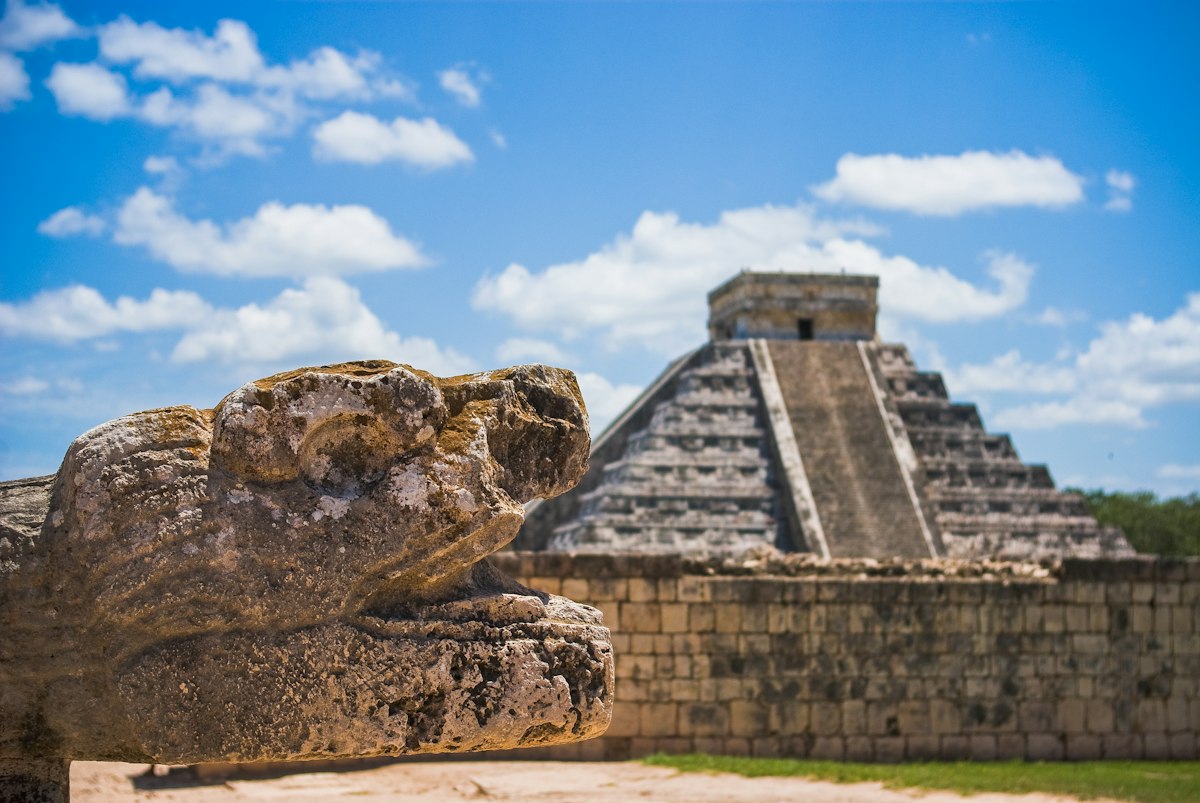
They border each other, share the same peninsula, and are marketed almost interchangeably to foreign investors. But as investment markets, Yucatán and Quintana Roo run on completely different engines. Quintana Roo is Caribbean beach tourism — Cancún, Playa del Carmen, Tulum, Cozumel. Yucatán is a stable, colonial, service-and-culture economy centered on Mérida with a quiet Gulf coastline.
Deciding where to put your capital in 2026 means understanding what each state is actually good at — and what each one costs you in risk.
Two Investment Theses
Quintana Roo is a yield-and-tourism play. You are buying into short-term rental demand fueled by one of the highest-traffic tourism corridors in the Americas. The upside is strong nightly rates and high-season occupancy; the risk is volatility, sargassum, oversupply, and dependence on the tourism cycle.
Yucatán is a stability-and-value play. You are buying into steady long-term appreciation, lower entry prices, simpler ownership, and demand driven by relocation and lifestyle migration rather than tourism. The upside is durability and low downside risk; the trade-off is more modest rental yields.
Entry Prices
Yucatán is the clear value leader.
- Mérida (Yucatán): restored colonial homes and modern northern-suburb houses typically run MXN 5M–14M (roughly USD 280,000–780,000); entry condos and homes start under USD 180,000.
- Riviera Maya (Quintana Roo): condos in Playa del Carmen and Tulum commonly run USD 180,000–350,000 for a one-bedroom, with beachfront and marina product far higher.
For the same capital, you buy substantially more real estate — and more land — in Yucatán.
Rental Yields
Quintana Roo wins on headline yield.
- Quintana Roo: well-managed short-term rentals target 7–11% gross, though occupancy and net returns vary widely by sub-market and are exposed to seasonality and seaweed.
- Yucatán: yields are lower and more long-term-tenant driven, typically 5–7% gross, but far steadier and less management-intensive. Mérida’s rental demand comes from students, medical professionals, and relocating families — durable, non-seasonal sources.
The pattern is familiar: higher yield in Quintana Roo comes with higher variance; lower yield in Yucatán comes with much less.
Appreciation Track Record
Both states have appreciated over the past decade. Quintana Roo’s coastal land saw dramatic early gains, but 2026 buyers arrive after that first wave and into a heavy pre-sale delivery pipeline that is capping near-term growth in parts of the Riviera Maya.
Yucatán — especially Mérida’s north — has posted remarkably consistent appreciation, often cited in the 6–9% annual range over recent years, driven by genuine population and relocation growth rather than speculation. It is less spectacular but more dependable, and it has not experienced the boom-bust swings some coastal micro-markets have.
Ownership: A Real Structural Difference
This is where the two states diverge in a way that directly affects investors.
- Quintana Roo is almost entirely coastal restricted zone. Foreigners must buy through a bank trust (fideicomiso) — secure and routine, but with setup and annual fees, and requiring careful title diligence (including ejido land history in fast-growth areas like Tulum).
- Yucatán properties inland — including all of Mérida — can generally be bought in direct title (fee simple) by foreigners, with no trust required. Only genuine coastal-strip property triggers the fideicomiso rule. This makes Yucatán ownership simpler and marginally cheaper to hold.
For a hands-off investor, Yucatán’s cleaner ownership path is a real, if under-discussed, advantage.
Risk Profile
Quintana Roo risks:
- Tourism-cycle dependence
- Seasonal sargassum affecting beach appeal and bookings
- Short-term-rental oversupply in Tulum and parts of Playa
- Hurricane exposure (June–November)
Yucatán risks:
- Lower rental yields
- Smaller short-term-rental market outside a few pockets
- Slower liquidity in some segments than the deep Playa del Carmen resale market
- Intense inland heat (a lifestyle, not financial, factor)
Notably, Yucatán’s inland position largely shields it from direct hurricane strikes and from sargassum entirely.
The Growing Middle Ground: Progreso and the Yucatán Coast
Worth flagging for 2026: Yucatán’s Gulf coast around Progreso is drawing investor attention as a lower-cost beach alternative to the Caribbean. Beachfront and near-beach homes there can be found from USD 250,000–600,000 — well below comparable Quintana Roo product — and the Progreso corridor benefits from Mérida’s stability and a growing cruise and second-home market. It is not the Caribbean, but for value-oriented coastal buyers it is a serious option.
Who Should Invest Where
Choose Quintana Roo if you:
- Want maximum short-term rental yield and can manage volatility
- Are buying a tourism-driven cash-flow asset
- Value resale liquidity (especially in Playa del Carmen)
- Accept sargassum, seasonality, and oversupply risk
Choose Yucatán if you:
- Want stable appreciation and lower entry prices
- Prefer simpler, direct-title ownership
- Want a lower-risk, lower-maintenance long-term hold
- Value durable, non-tourism rental demand
The Bottom Line
For investors prioritizing stability, value, and simplicity, Yucatán is the stronger 2026 pick — and the smart-money migration toward Mérida reflects exactly that. For investors prioritizing tourism-driven yield and willing to actively manage the volatility, Quintana Roo remains a legitimate high-return play, especially in Playa del Carmen’s proven market.
The best portfolios sometimes hold both: a stable Yucatán anchor and a higher-yield Quintana Roo position.
Let’s Build Your Strategy
The right state depends entirely on your goals — cash flow, appreciation, ease of ownership, or a blend. Our team works across both markets and can model real numbers on real listings, explain the fideicomiso-versus-direct-title question for your situation, and flag the risks before you commit.
Message us on WhatsApp to book a free investment consultation, and we’ll help you deploy your 2026 capital where it fits your strategy best.
Ready to Take the Next Step?
Schedule a free consultation with our Yucatán real estate specialist.
💬 Chat on WhatsApp